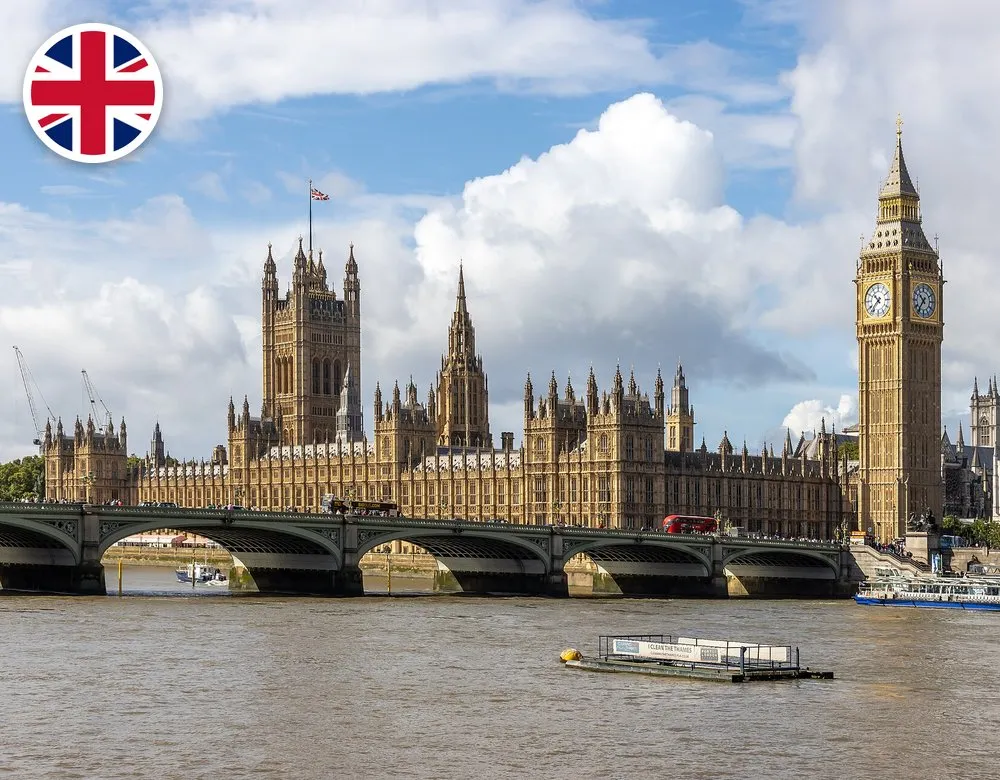
Graduations, family visits and holidays, planned with you
DocumentationComplete, checked document support
Expert visa guidancePersonal advice from experienced counsellors
Interview preparationBe confident. Be prepared.
Appointment helpForms, fees and biometrics, step by step
Let's plan your visit to the UK
Our visa services
Visitor visa
Student visa
Additional services
Air ticketing
Forex services
Passport assistance
Standard Visitor visa
UK visitor visa guide
Indian citizens need a Standard Visitor visa to visit the UK for a graduation, a family visit or a holiday. You apply online, then give your fingerprints and photo at a visa application centre in India. The facts below are from GOV.UK as of October 2026.
Visa name
Standard Visitor visa
Usual maximum stay
Up to 6 months per visit
Fee (up to 6 months)
£135 per person, as of October 2026
Long-term visas
2 years £506, 5 years £903, 10 years £1,128 (up to 6 months per visit)
How to apply
Online on GOV.UK, then an appointment at a UK visa application centre (run by VFS Global in India)
Biometrics
Fingerprints and a photo at the visa application centre, where you also prove your identity with your passport
When to apply
The earliest is 3 months before you travel
Decision time
Usually within 3 weeks of your appointment. A paid faster decision may be offered when you apply.
1Visitor visa for a graduation ceremony
Parents and relatives who want to attend a student's graduation in the UK apply for a Standard Visitor visa. Visiting family is one of the activities the visa allows.
Plan early. Once you know the ceremony date, remember that you can apply up to 3 months before you travel, and a decision usually takes about 3 weeks after your appointment.
Every family member needs their own application, fee and appointment. If a younger child is travelling with you, you can apply on their behalf.
Be ready to explain who the student is, what they are studying, when and where the ceremony is, how long you will stay, who is paying, and why you will come back to India afterwards.
Useful supporting documents: the graduation invitation or ceremony confirmation from the university, proof of your relationship to the student (such as a birth certificate), a copy of the student's passport and proof of their UK immigration status (for example an eVisa share code or BRP), and, if the student or someone else is paying for your trip, evidence of that support and of their funds.
2Visitor visa for an event or family visit
The Standard Visitor visa also covers visiting family or friends. For example, attending a family occasion such as a wedding, or spending time with a son or daughter who is studying in the UK.
If someone in the UK is providing your accommodation or paying for your visit, show what support they are giving, how they are giving it, your relationship to them, that they can afford it, and their UK immigration status.
If you plan to marry, register a civil partnership, or give notice of either in the UK, you need a Marriage Visitor visa instead.
You must not do paid or unpaid work for a UK company or as a self-employed person while visiting. You also cannot claim public funds (benefits).
Useful supporting documents: proof of your relationship to the person you are visiting, details of the event or occasion, a letter from your host with their address, and evidence of their funds and UK immigration status if they are supporting you.
3Visitor visa for tourism
For a holiday, keep a simple plan of where you will go and for how long. Your application form asks for travel dates, where you will stay and the estimated cost of the trip.
Show that you can pay for the whole trip, including your journey home. Bank statements should show where the money comes from. A letter from your employer showing your role, salary and length of employment helps to show your life in India.
GOV.UK warns that providing documents does not guarantee a visa or entry at the border, and says to keep this in mind when making bookings. Avoid buying non-refundable tickets until your visa is granted.
Useful supporting documents: a rough itinerary, recent bank statements, an employer letter on company letterhead (or business registration or recent invoices if self-employed), and details of any previous travel.
4Renewal and applying again
There is no renewal of a visitor visa. Each time you need a new visa, you make a fresh application, pay the fee and attend an appointment again.
If you visit the UK regularly, you can apply for a long-term Standard Visitor visa lasting 2, 5 or 10 years. You can still stay for up to 6 months on each visit. You may be given a shorter visa than you asked for, and the fee is not refunded if that happens or if you are refused.
A good travel history helps, but it does not guarantee approval. Officers look at your circumstances now, which may have changed since your last trip.
Spending long periods in the UK through frequent or back-to-back visits is not allowed, and repeated long stays can lead to a long-term visa being cancelled.
Useful supporting documents: your current passport and copies of previous passports showing earlier travel, plus up-to-date financial and employment evidence.
How the application process works
Prepare your details
Gather your passport, travel dates, where you will stay, the estimated cost of the trip, your income and employer details, and your travel history for the last 10 years. Your passport must be valid for your whole stay.
Complete the online application form
Apply online on GOV.UK before you travel. The earliest you can apply is 3 months before your trip. Each family member needs their own application.
Pay the fee and book your appointment
Pay the visa fee (£135 for a visit of up to 6 months) and book an appointment at a UK visa application centre in India. For India, GOV.UK links to centres run by VFS Global.
Give your biometrics
At the appointment, prove your identity with your passport and give your fingerprints and a photo. You also provide your supporting documents. You usually get your passport back the same day.
Wait for the decision
A decision usually comes within 3 weeks of your appointment, counted in UK working days. Answer any request for more information promptly. A paid faster decision may be offered when you apply.
Receive your decision
The decision comes by email. If approved, you get an eVisa, which you view in a free UKVI account. It can take up to 24 hours to appear. Make sure your eVisa is linked to the passport you will travel with.
Documents to keep ready
Application documents
A passport valid for your whole stay, copies of any previous passports, your completed online application and appointment confirmation. Documents not in English must come with a full certified translation that includes the translator's name, signature, contact details, date and confirmation that it is accurate.
Financial evidence
Recent bank statements showing where your money comes from, proof of income such as an employer letter, and, if someone else is paying, evidence of their support, their funds and your relationship to them. Statements more than a year old are less useful.
Reasons to return
Evidence of your life in India, such as an employer letter showing your role, salary and length of service, business registration or recent invoices if you are self-employed, or proof of study. Show that you plan to leave the UK at the end of your visit.
GOV.UK does not set a minimum bank balance for visitors. You need to show you can cover all reasonable costs of your visit, for yourself and anyone travelling with you, including your journey home.
Before you travel
The visa is for visiting only. You cannot work (paid or unpaid), claim benefits, or marry or register a civil partnership on it.
You can usually stay for up to 6 months per visit. Extending beyond 6 months in total is only possible in special cases, such as medical treatment.
Link your eVisa to the passport you will travel with, and carry that passport with you.
A visa does not guarantee entry. At the border, an officer may ask what you are coming to do and for how long, so keep key documents, such as your invitation and return ticket, in your hand luggage.
If a child is travelling with someone who is not their parent, or with a parent who has a different surname, carry proof of the relationship, such as a birth certificate or a letter from the parent.
Golden Globe Overseas Education can help you understand the process, organise documents and prepare for the interview. Visa decisions are made by the immigration authorities of the UK.